Unicorn Lettering Script and Embroidery Design: A Practical Guide to Getting It Right
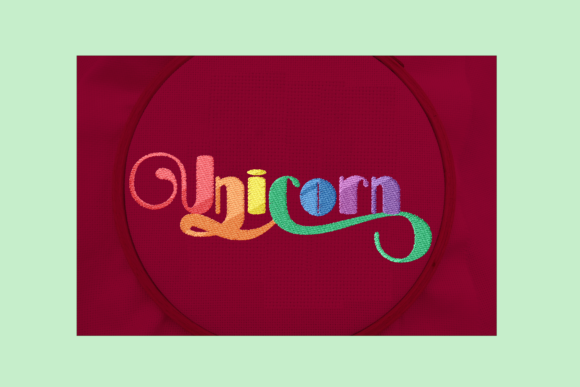
There’s something almost magical about watching letters take shape under the needle of an embroidery machine. A whimsical name, a heartfelt phrase, or a bold statement rendered in thread—it’s the kind of personal touch that makes a project stand out. Unicorn Lettering Script has become a favorite among crafters who want that playful yet polished look. It’s a stunning embroidery design, full of personality, and perfectly suited for gifts, apparel, and home décor. But simply owning the file and loading it into your machine isn’t a guarantee of success. Even the most enchanting font can turn into a frustrating tangle of skipped stitches and puckered fabric if a few key steps get overlooked.
Why Unicorn Lettering Script Captivates Machine Embroidery Enthusiasts
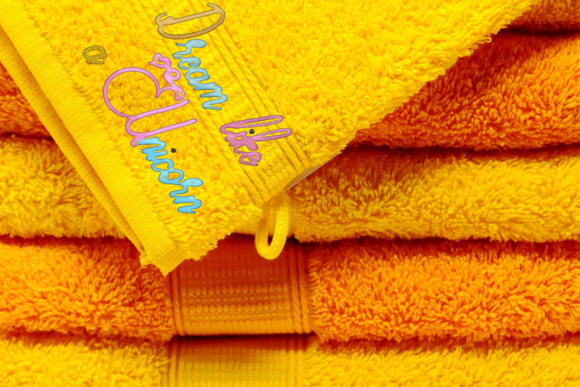
The appeal starts with the design itself. Unicorn Lettering Script isn’t just another cursive font. It carries a fluid, storybook quality that feels both modern and nostalgic. People reach for it when making personalized baby blankets, bridal party robes, custom tote bags, or framed hoop art. It’s expressive without being overly complicated, which makes it a smart choice for crafters who sell at markets or run small embroidery businesses. The lettering communicates warmth and care, and when stitched out correctly on quality fabric, it looks clean, legible, and professional.
Another reason it attracts attention is the convenience of a machine embroidery design that comes with multiple file formats. Most reputable sources include common types like PES, DST, EXP, HUS, JEF, and XXX. This means whether you’re running a Brother, Janome, Bernina, or Melco machine, you’re likely covered right out of the download folder. It removes the headache of manual conversion and reduces the risk of corrupted files. For beginners especially, this compatibility is a quiet but important advantage.
Common Misunderstandings That Lead to Poor Results
One of the biggest mistakes people make with Unicorn Lettering Script is treating it like a standard block font. Because the characters connect with elegant flourishes, the stitch density and pathing are different from simpler designs. Hooping fabric without proper stabilizer or choosing the wrong needle can cause letters to overlap incorrectly or lose their delicate loops. A design that should feel weightless suddenly becomes a heavy, stiff patch that distorts the fabric. The problem isn’t the design—it’s the preparation.
Another frequent oversight is ignoring the size limits built into the digitizing. Many script fonts, including this one, look best within a certain height range. When users shrink a 4-inch design down to 1.5 inches for a small pocket, the tiny satin stitches can become too dense, causing thread breaks or needle holes that chew up the material. Conversely, enlarging beyond the intended dimensions may reveal sparse underlay or jagged curves that weren’t visible at the original scale. Pay attention to the listing details. A well-digitized Unicorn Lettering Script file will have a recommended size range, and respecting that range is one of the simplest ways to avoid disappointment.
The Hidden Cost of Using the Wrong Stabilizer and Backing
It’s tempting to grab whatever cut-away or tear-away stabilizer is closest, but script fonts are unforgiving teachers. On stretchy fabrics like T-shirts or onesies, insufficient stabilization allows the material to shift during stitching. What emerges is a wobbly, distorted word where the e’s and l’s no longer align. For woven fabrics like linen or cotton canvas, a medium-weight cut-away stabilizer usually works well. For knits, a fusible mesh added before hooping keeps the grain from drifting. If you’re stitching on towels or plush blankets, topping with a water-soluble film prevents the thread from sinking into the pile and losing definition.
Testing on a scrap piece of the same fabric—not a different one—takes five minutes and can save an expensive blank. Crafters who skip this step often end up unpicking stitches from a finished garment, which is never a pleasant task and can leave permanent needle marks.
Choosing and Using the Right Embroidery Files
Unicorn Lettering Script embroidery is a stunning embroidery design, but even a beautiful design relies on the correct file. When you receive a zipped folder with multiple formats, resist the urge to just pick the first one you see. Check your machine manual or the manufacturer’s website to confirm which extension it reads natively. Using a converted or approximated file when a native one is available can introduce subtle glitches—unexpected trims, color changes that don’t match the thread sequence, or slightly misaligned start and end points.
It’s also worth opening the design in your embroidery software before sending it to the machine. This allows you to preview the stitch order, check the thread colors, and verify that the size is correct. Some users discover too late that the design imported at a different scale than expected, resulting in letters that crowd each other or sprawl unevenly. A quick glance at the software’s grid measurements clears up any confusion before the needle starts moving.
Thread Choices That Enhance or Undermine the Design
Shiny polyester threads are popular for a reason—they’re strong, colorfast, and reflect light beautifully. But on a script font with fine connecting strokes, high-sheen thread can also highlight every slight inconsistency in tension. A matte cotton or silk-finish rayon can be more forgiving and give Unicorn Lettering Script a soft, hand-stitched charm. Dark threads on light fabric demand near-perfect tension because any bobbin peeking through will be obvious. If you’re still dialing in settings, a mid-tone thread on a similarly valued fabric is more beginner-friendly.
Don’t overlook the bobbin thread either. A standard 60-weight bobbin thread works for most projects, but if the lettering is very delicate, a finer thread in the bobbin can reduce bulk and help the top stitches lay flatter. This small adjustment often makes the difference between a design that feels store-bought and one that looks homemade in an unintended way.
What to Check Before Buying or Downloading Unicorn Lettering Script
Before clicking “add to cart” on any machine embroidery design, take a moment to verify a few details that sellers don’t always emphasize. First, confirm the design comes with the specific file format your machine requires—not just a generic list of “multiple formats available.” Some shops provide only DST and PES, while older or less common machines may need EXP or VIP. If the listing doesn’t explicitly name your format, send a polite inquiry. Trustworthy vendors are happy to clarify.
Next, look for stitch count information. A script alphabet that covers uppercase, lowercase, and punctuation will have a higher stitch count than a pre-made phrase design. That’s normal. But if the stitch count seems unusually low for a detailed script, it may indicate sparse digitizing that won’t hold up to washing and wearing. Reviews that include photos of actual stitch-outs are especially helpful because they reveal how the design behaves on real fabric.
Also consider the design’s origin. Files from reputable digitizers are tested on multiple machines and fabrics before being sold. Free designs from less established sources sometimes have hidden issues like excessive jump stitches, improper underlay, or objects that aren’t properly connected. While free resources can be great for practice, they may cost more in wasted materials than a paid design from a quality source.
Avoiding the Trap of Overcomplicating Your Project
It’s easy to get carried away when a design feels special. Adding metallic threads, glitter vinyl, or multiple appliqué fabrics alongside a delicate script can overwhelm the lettering. Unicorn Lettering Script carries enough visual interest on its own. Let it breathe. If you’re combining it with other elements, place them far enough apart that the eye can appreciate each part separately. A crowded composition loses the very magic that made you choose this font in the first place.
For crafters making products to sell, consistency matters. Once you’ve found the ideal stabilizer, needle type, and thread combination for your setup, write it down. Keep a small swatch book with sample stitch-outs and notes. When a customer orders a name on a different fabric type six months later, that record will save you from having to troubleshoot all over again.
Realistic Examples of Better Approaches
Imagine stitching “Everly” on a toddler’s denim jacket. The letters are well-spaced, the flourishes sweep gracefully, and the thread color complements the jacket’s wash. Instead of hooping the entire jacket, the crafter uses a piece of adhesive stabilizer in a small hoop, floats the garment on top, and bastes it down. The result is a crisp stitch-out on a challenging fabric, with no hoop marks near the collar.
Another example: a bride wants “In This Together” on a satin robe. Satin is slippery and prone to pulls if the needle is dull or the stabilizer is too light. Using a fresh 75/11 sharp needle and a fusible poly-mesh stabilizer gives the design a stable platform. A test on a similar satin scrap confirms that the script reads clearly and none of the thin connecting strokes have been pulled out of alignment. The final piece looks elegant, not stressed.
These aren’t advanced techniques. They’re small decisions that acknowledge the specific personality of a Unicorn Lettering Script design. Respecting the characteristics of the font leads to embroidery that lasts through many washes and makes the effort feel worthwhile.
Keeping Satisfaction High Through Simple Maintenance
Machine cleanliness is often the forgotten factor. Lint and thread debris around the bobbin case affect tension, and tension problems show up mercilessly on script fonts. Before starting a project with fine lettering, clean the bobbin area, change the needle, and run a test stitch-out on a piece of the actual fabric. These three steps take less than ten minutes and prevent the majority of common stitch-quality issues.
When the design finishes, give it a close look under good light. Are the letters fully formed? Do the connectors flow without gaps or heavy buildup? If you notice a recurring problem—like the capital letters always puckering slightly—adjust the presser foot pressure or add a layer of topping. Over time, these adjustments become second nature.
Making the Most of a Versatile Design
Unicorn Lettering Script embroidery is a stunning embroidery design that rewards thoughtful use. It’s perfect for a machine embroidery design, especially for a crafter who enjoys projects that feel personal and handmade without looking messy. The fact that it comes with multiple formats and works across many machine brands opens the door to sharing designs among crafting groups or using them on both a primary and a backup machine.
Whether you’re a hobbyist stitching gifts in a spare room or an entrepreneur fulfilling orders for a growing customer base, the key is simple preparation. Check your file type. Stabilize appropriately. Respect the size range. Test with your chosen thread and fabric. These habits don’t require expensive tools or years of experience. They just require attention, and that attention is what turns a good design into a great finished piece. The script is lovely on the screen, but it becomes memorable when it’s stitched with care.